f 𝕏 P W
✨ Travel Guide

Bali Travel Guide from Philippines

Your Complete Guide to Island Paradise - From Manila to Bali with Love

πŸ‘©β€πŸ¦°
By Sofia Reyes
Travel Blogger & Adventure Seeker
↓

The Ultimate Bali Travel Guide: A Filipino's Journey to the Island of Gods

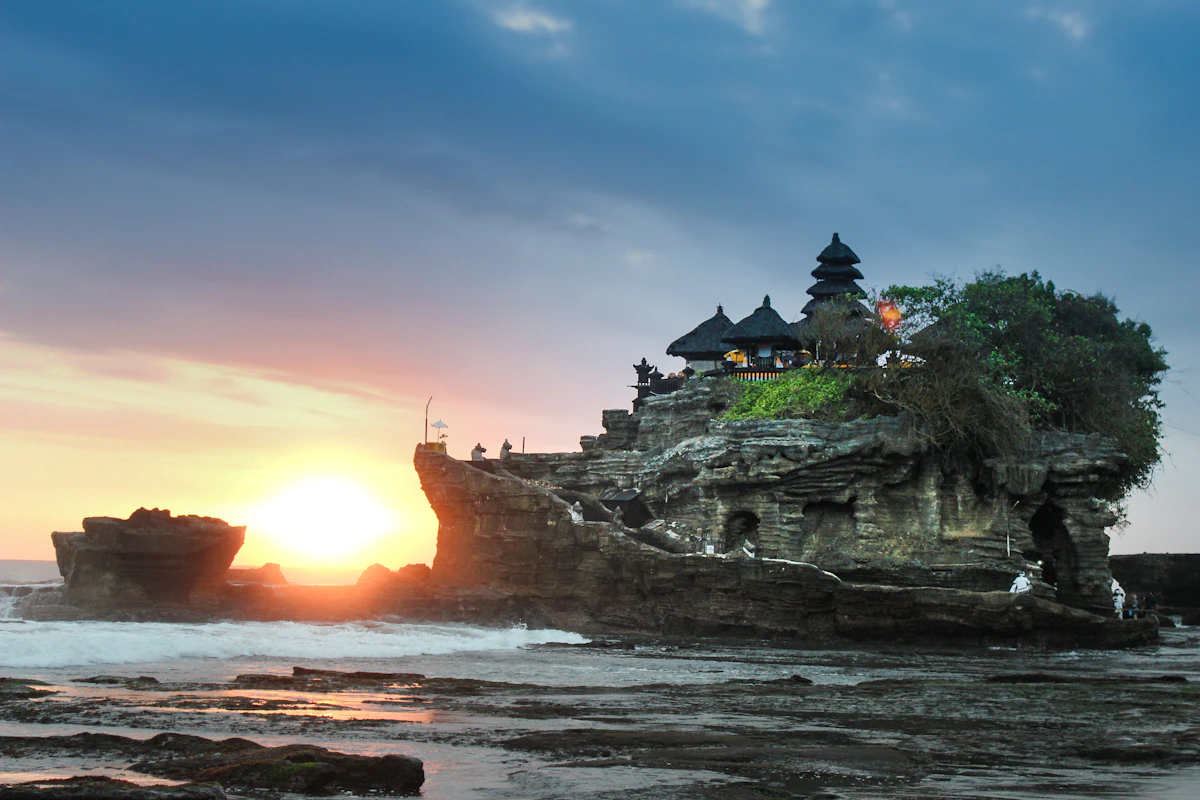
Beautiful Bali Temple

🌺 Introduction: Why Bali Stole My Heart

Kumusta, mga ka-travel! I'm Sofia, and let me tell you, Bali has been on my bucket list since I was a little girl watching those travel shows on TV. Yung tipong, every time I see those stunning rice terraces, those ancient temples, and those crystal-clear waters, I always tell myself, "Someday, I'll go there!" And finally, last year, nagkatupad ang pangarap ko!

As a Filipina who loves exploring new places, I thought I knew what tropical paradise looked like. We have Boracay, Palawan, Siargao – ang ganda-ganda na ng Pilipinas, 'di ba? But Bali? Bali is different. It's like stepping into another world where ancient traditions meet modern vibes, where spirituality is woven into everyday life, and where every corner tells a story.

I spent three weeks exploring the Island of Gods, and trust me, it wasn't enough! From the cultural heart of Ubud to the party capital of Kuta, from the cliffside temples of Uluwatu to the diving paradise of Nusa Penida – every moment was magical. Kaya I decided to create this comprehensive guide para sa mga kapwa ko Pinoy na gustong mag-Bali, whether you're planning your first trip or your tenth!

Quick Fact: Bali is part of Indonesia, but it's the only Hindu-majority province in the world's most populous Muslim country. That's what makes it so unique!

In this guide, I'll share everything I learned – from how to get there from the Philippines, where to stay, what to eat, to the hidden gems that most tourists miss. I'll also give you practical tips on budgeting, safety, and cultural etiquette. Kasi alam natin na mahalaga na respectful tayo when visiting other countries, 'di ba?

So grab your coffee (or maybe some Bali coffee – kopi luwak, anyone?), and let's dive into this ultimate Bali travel guide together! By the end of this article, you'll be ready to book your flight and experience the magic of Bali for yourself. Let's go!

πŸ“‹ Planning Your Bali Adventure

Okay, so you're convinced – Bali it is! Now, let's talk about planning. As someone who's been there, done that, let me tell you: proper planning makes all the difference between a good trip and an amazing trip. And since we're coming from the Philippines, may ilang considerations tayo na dapat i-think about.

How Long Should You Stay?

First things first: how many days do you need? Well, it depends on what you want to do, but here's my honest take: minimum of 7 days, ideally 10-14 days. Why? Because Bali is bigger than you think! Yung mga nakikita mo sa Instagram, parang malapit-lapit lahat, but in reality, traffic can be crazy, and you'll want time to actually enjoy each place without rushing.

If you only have a week, focus on one or two areas. Maybe Ubud for culture and nature, plus one beach area like Seminyak or Canggu. But if you have two weeks? Game na game! You can explore the north, the east, the islands – the whole shebang!

What's Your Travel Style?

Before booking anything, ask yourself: what kind of traveler are you? Are you a budget backpacker who's okay with hostels and street food? A luxury traveler who wants resorts and fine dining? Or somewhere in between? Bali caters to ALL types of travelers, which is one of the reasons I love it so much.

For first-timers, I recommend a mix: splurge on a nice villa or boutique hotel for a few nights, but also try the local warungs (small family-owned restaurants) for authentic food experiences. Balance is key!

πŸ’° Budget Planning Tip: Set a daily budget and stick to it! I recommend bringing extra for spontaneous activities – you'll thank me later when you see that amazing sunset cruise or that irresistible massage deal.

Travel Insurance – Don't Skip This!

Okay, real talk: travel insurance is NOT optional. I learned this the hard way when my friend got food poisoning on our second day (don't worry, she was fine!). Having insurance gave us peace of mind and saved us thousands in medical bills. From the Philippines, you can get travel insurance from providers like Malayan Insurance, Pioneer Insurance, or international ones like World Nomads.

Make sure your insurance covers: medical emergencies, trip cancellations, lost luggage, and adventure activities (if you're planning to surf, dive, or do any extreme sports). Better safe than sorry, 'di ba?

Packing Essentials for Bali

Let me share my packing list – the stuff I actually used versus the stuff I brought but never touched (hello, heavy jeans – why did I think I needed those in tropical Bali?!).

  • Light, breathable clothing – Think cotton, linen, anything that breathes. Bali is HOT and humid!
  • Modest clothing for temples – Sarong and sash (usually provided, but good to have your own)
  • Comfortable sandals/flip-flops – You'll be taking these off a lot!
  • Swimsuits – Bring at least two so one can dry while you wear the other
  • Sunscreen and insect repellent – Trust me on this one
  • Universal adapter – Indonesia uses Type C and F plugs (220V)
  • Reusable water bottle – With a filter if possible (tap water isn't drinkable)
  • Basic first aid kit – Include anti-diarrhea meds, pain relievers, band-aids
  • Waterproof phone case or dry bag – For beach days and boat trips
  • Power bank – You'll be taking SO many photos!

Pro tip: Pack light! You can always buy stuff there if you forget something. Plus, Bali has amazing local markets where you can get cute clothes at super affordable prices. I ended up buying more than I brought home, honestly!

✈️ Flights from Philippines to Bali

Let's talk about getting there! From the Philippines to Bali, you have several options. The good news: it's not as complicated as you might think. The not-so-good news: there are no direct commercial flights (yet!), so you'll need at least one stopover.

Best Routes from Manila

Here are the most common routes I found when booking my trip:

Option 1: Manila β†’ Singapore β†’ Bali (Denpasar)
This is probably the most popular route. Airlines like Singapore Airlines, Scoot, and Jetstar Asia offer this connection. Singapore is a great stopover if you have time – the airport itself is an attraction (hello, Jewel Changi!), but even if you're just transiting, it's smooth and efficient. Flight time: approximately 3.5 hours to Singapore, then 2.5 hours to Bali.

Option 2: Manila β†’ Kuala Lumpur β†’ Bali
Another solid option! AirAsia and Malaysia Airlines fly this route. Kuala Lumpur is also a fantastic city if you want to extend your trip. Plus, AirAsia often has promo fares, so if you're budget-conscious, this might be your best bet. Flight time: about 3.5 hours to KL, then 3 hours to Bali.

Option 3: Manila β†’ Jakarta β†’ Bali
This is the "all Indonesia" route. Garuda Indonesia and Lion Air operate these flights. The advantage? You're flying with Indonesian carriers, so sometimes the connections are smoother. The downside? Jakarta traffic and airport can be chaotic. Flight time: 4 hours to Jakarta, then 2 hours to Bali.

Option 4: Manila β†’ Bangkok β†’ Bali
Thai Airways, Bangkok Airways, and Thai Lion Air offer this route. Bangkok is always a fun layover city if you have extra time. Flight time: 3 hours to Bangkok, then 4 hours to Bali.

πŸ’‘ My Recommendation: If budget allows, I'd go with Singapore or Kuala Lumpur routes. The airports are more organized, and the airlines tend to be more reliable. Plus, if your flight gets delayed, you have better customer service options.

When to Book for Best Prices

From my experience and what I've researched, here's the deal with flight prices:

Book 2-3 months in advance for the best deals. I booked mine about 10 weeks before my trip and got a round-trip ticket for around β‚±15,000 (not bad, 'di ba?). Last-minute bookings can be 2-3x more expensive, so plan ahead!

Avoid peak seasons if you can. Peak seasons include: Christmas-New Year, Holy Week, Chinese New Year, and July-August (European summer holidays). Prices during these times can be insane!

Be flexible with dates – Flying mid-week (Tuesday-Thursday) is usually cheaper than weekends. Use Google Flights or Skyscanner's "flexible dates" feature to find the cheapest days to fly.

Airlines I Recommend

Based on my experience and reviews from fellow Filipino travelers:

  • Singapore Airlines – More expensive but SO worth it for the service and comfort
  • AirAsia – Budget-friendly, but watch out for hidden fees (baggage, meals, seat selection)
  • Garuda Indonesia – Full-service Indonesian carrier, good balance of price and quality
  • Scoot – Singapore Airlines' budget subsidiary, decent option

One thing to note: budget airlines often fly into Ngurah Rai International Airport (DPS) at odd hours. Make sure you arrange airport transfer in advance, especially if you arrive late at night.

Looking for amazing activities in Bali? Check out Bali tours and Adventure Bali tours for unforgettable experiences!

Visa Requirements for Filipinos

Good news, mga ka-Pinoy! As of 2026, Filipino passport holders can enter Indonesia (including Bali) visa-free for tourism purposes for up to 30 days. This is called the Visa Exemption facility. However, there are some important details you need to know:

Visa-Free Entry (30 Days)

Requirements:
β€’ Passport valid for at least 6 months from date of arrival
β€’ Return or onward ticket
β€’ Proof of accommodation (hotel booking or invitation letter)
β€’ Sufficient funds (they rarely ask, but better to have proof)
β€’ Completed electronic Customs Declaration (e-CD) – can be done 2 days before arrival

Important: This 30-day visa-free entry CANNOT be extended. If you overstay, you'll face heavy fines (around IDR 1,000,000 per day) and possible deportation. So if you're planning to stay longer than 30 days, you need a different visa.

Visa on Arrival (VOA) - 30 Days, Extendable

If you think you might want to extend your stay, or if you're not sure yet, get the Visa on Arrival instead. It costs IDR 500,000 (about β‚±1,800 or $35 USD) and can be extended once for another 30 days, giving you a total of 60 days in Bali.

How to get VOA:
1. Pay at the VOA counter at Ngurah Rai Airport (they accept IDR, USD, and major credit cards)
2. Or apply online before your trip through the official Indonesian immigration website
3. Get your visa sticker/stamp
4. To extend: visit an immigration office in Bali or use an agent (I recommend using an agent – saves you time and hassle)

️ Important: Make sure your passport has at least TWO blank pages for visa stamps. I learned this when my friend almost got denied boarding because her passport only had one blank page!

e-VOA (Electronic Visa on Arrival)

To save time at the airport, you can apply for e-VOA online before your trip. Here's how:

1. Visit the official Indonesian immigration website
2. Create an account
3. Fill out the application form
4. Upload required documents (passport photo, passport bio page)
5. Pay the fee online
6. Receive your e-VOA via email
7. Print it or save it on your phone to show at immigration

Processing time is usually 1-3 business days, so apply at least a week before your trip to be safe.

Other Visa Options

If you're planning to stay longer than 60 days, or if you're planning to work remotely (digital nomad style), you might need a different visa:

  • B211A Visit Visa – For tourism, social visits, or business meetings. Valid for 60 days, extendable up to 4 times (total 180 days)
  • Second Home Visa – For those who want to stay long-term (5-10 years). Requires proof of funds (around $130,000 in bank account)
  • Digital Nomad Visa – Indonesia has been working on this, but as of 2026, it's still in development. Some digital nomads use the B211A visa instead

For most tourists, the visa-free entry or VOA is sufficient. Just make sure your documents are in order, and you'll breeze through immigration!

🌀️ Best Time to Visit Bali

So, when should you go to Bali? Well, it depends on what you're looking for! Bali has a tropical climate with two main seasons: dry season and rainy season. Let me break it down for you:

Dry Season (April - October)

This is generally considered the best time to visit Bali, especially for first-timers. Here's what you can expect:

Weather: Sunny days, low humidity, minimal rain. Perfect for beach days, temple hopping, and outdoor activities!
Temperature: 27-32Β°C (80-90Β°F) during the day, cooler at night
Best months: June, July, August, September

Pros:
βœ“ Perfect weather for outdoor activities
βœ“ Great for surfing (especially on the west coast)
βœ“ Ideal for hiking Mount Batur or Mount Agung
βœ“ Best visibility for diving and snorkeling
βœ“ Many festivals and cultural events

Cons:
βœ— Peak tourist season = more crowds
βœ— Higher prices for accommodation and flights
βœ— Popular spots can be packed
βœ— Need to book everything in advance

Rainy Season (November - March)

Don't let the name scare you! Rainy season doesn't mean it rains all day, every day. Here's the real deal:

Weather: Mix of sun and rain. Usually rains in the afternoon or evening for 1-2 hours, then clears up.
Temperature: 26-30Β°C (79-86Β°F), more humid
Wettest months: December, January, February

Pros:
βœ“ Lush, green landscapes (perfect for Instagram!)
βœ“ Fewer tourists = more peaceful
βœ“ Lower prices (up to 50% off on hotels!)
βœ“ Better deals on tours and activities
βœ“ More authentic experience with fewer crowds

Cons:
βœ— Unpredictable weather
βœ— Some waterfalls might be too dangerous to visit
βœ— Higher humidity
βœ— Rough seas on some beaches (not ideal for swimming)
βœ— Some boat trips to islands might be cancelled

πŸ’‘ My Take: I actually visited during shoulder season (late April) and it was PERFECT! The weather was great, prices were reasonable, and there weren't too many crowds. If you can, avoid the peak months (July-August and December-January) if you want a balance of good weather and reasonable prices.

Special Events & Festivals

If you're into cultural experiences, timing your visit with Bali's festivals can be amazing:

  • Nyepi (Day of Silence) – March/April. The whole island shuts down for 24 hours. No lights, no noise, no leaving your hotel. It's a unique spiritual experience!
  • Galungan & Kuningan – Celebrated every 210 days according to Balinese calendar. Streets are decorated with penjors (bamboo poles), and you'll see amazing ceremonies.
  • Bali Arts Festival – June-July. A month-long celebration of Balinese arts, culture, and traditions.
  • Ubud Food Festival – Usually in June. Foodies, this is for you!

Whatever time you choose, Bali is beautiful year-round. Just pack accordingly and have realistic expectations about the weather!

🏨 Where to Stay in Bali

One of the best things about Bali? The accommodation options are ENDLESS! From $5 hostels to $5,000/night villas, there's something for every type of traveler.

Best Areas to Stay

1. UBUD: The Cultural Heart. Perfect for first-timers, yoga enthusiasts, and nature lovers. ($20-300/night)

2. SEMINYAK: Trendy & Upscale. Great for foodies, beach clubs, and boutique shopping. ($50-500/night)

3. CANGGU: Hipster Paradise. Digital nomads, surfers, and trendy vegan cafes. ($25-250/night)

4. ULUWATU: Cliffside Luxury. Dramatic ocean views, world-class surf breaks, and romantic resorts. ($100-1000/night)

πŸ’‘ Booking Tip: I use a combination of Booking.com, Agoda, and Airbnb. For last-minute deals, try walking into places and negotiating – it works, especially in low season!

πŸ—ΊοΈ Top Destinations You Can't Miss

Okay, this is the fun part! Let me share the places that absolutely blew my mind. Trust me, I could write a whole book about this, but I'll try to keep it concise!

🌾 UBUD AREA

Tegalalang Rice Terraces: You've definitely seen these on Instagram! The iconic stepped rice paddies are breathtaking. Go early (around 7 AM) to avoid crowds and heat. There's a small entrance fee (around IDR 20,000).

Tegalalang Rice Terraces

The stunning Tegalalang Rice Terraces - a must-visit in Ubud!

Sacred Monkey Forest Sanctuary: Home to over 700 Balinese long-tailed monkeys. Don't bring food inside, secure your belongings, and don't make direct eye contact with them!

Tegenungan Waterfall: One of the most accessible waterfalls from Ubud. The pool at the bottom is great for a refreshing swim!

πŸ›• TEMPLES (PURA)

Tanah Lot: One of Bali's most iconic temples, perched on a rock formation in the sea. Best visited at sunset. Entrance fee: ~IDR 60,000.

Uluwatu Temple: Dramatic clifftop temple with stunning ocean views. Famous for the Kecak fire dance performance at sunset. Watch out for the monkeys!

Tirta Empul: Famous for its holy spring water where locals and tourists go for ritual purification. A deeply spiritual experience.

πŸ–οΈ BEACHES & ISLANDS

Kelingking Beach (Nusa Penida): The famous "T-Rex" shaped cliff! The view from the top is stunning. If you want to go down to the beach, be prepared for a steep, challenging hike.

Kelingking Beach

The iconic Kelingking Beach in Nusa Penida - absolutely breathtaking!

Padang Padang Beach: Featured in "Eat, Pray, Love," this small beach is accessed through a cave-like entrance. Popular with surfers.

Jimbaran Beach: Famous for its seafood restaurants right on the beach. Perfect for a romantic sunset dinner with your feet in the sand.

πŸŒ‹ MOUNTAINS & NATURE

Mount Batur Sunrise Trek: One of the most popular activities in Bali! You start hiking around 2 AM to reach the summit by sunrise. The view is absolutely worth the early wake-up call.

Mount Batur Sunrise

Sunrise from Mount Batur - an experience you'll never forget!

Jatiluwih Rice Terraces: A UNESCO World Heritage site. These rice terraces are even more impressive than Tegalalang, less touristy, and more spread out.

Ready to explore these amazing places? Check out best things to do in Bali and plan your perfect itinerary!

🍜 Bali Food Guide: What to Eat

Oh my gosh, the food in Bali! As a Filipina who loves to eat, I was in heaven. Balinese cuisine is rich, flavorful, and surprisingly diverse.

Traditional Balinese Dishes

Nasi Campur: A plate of rice with small portions of various dishes: vegetables, meat, satay, egg, and sambal. Affordable (IDR 25,000-50,000) and delicious!

Babi Guling (Suckling Pig): Bali's most famous dish! Pork roasted with spices like turmeric, coriander, and lemongrass. The skin is crispy, the meat is tender. Must-try!

Bebek Betutu (Smoked Duck): Duck marinated in spices, wrapped in banana leaves, and slow-cooked for hours. The meat is so tender it falls off the bone.

πŸ’‘ Food Safety Tip: Eat where it's busy, make sure food is cooked fresh and hot, avoid ice in drinks (unless at a reputable place), and drink bottled water. I followed these rules and had no stomach issues!

🍜 Bali Food Guide: What to Eat

Oh my gosh, the food in Bali! As a Filipina who loves to eat, I was in heaven. Balinese cuisine is rich, flavorful, and surprisingly diverse. Let me share the must-try dishes and where to find them.

Traditional Balinese Dishes

Nasi Campur
This is basically a plate of rice with small portions of various dishes: vegetables, meat (pork, chicken, or beef), satay, egg, and sambal (spicy chili paste). Every warung (local eatery) has their own version. It's delicious, affordable (IDR 25,000-50,000), and a great way to try multiple flavors at once.

Babi Guling (Suckling Pig)
Bali's most famous dish! Since Bali is predominantly Hindu, pork is widely consumed here (unlike the rest of Indonesia). Babi guling is pork roasted with spices like turmeric, coriander, and lemongrass. The skin is crispy, the meat is tender, and it's usually served with rice, lawar (mixed vegetables), and sate. Must-try! Ibu Oka in Ubud is legendary, but there are great spots everywhere.

Bebek Betutu (Smoked Duck)
Duck marinated in spices, wrapped in banana leaves or coconut bark, and slow-cooked for hours. The meat is so tender it falls off the bone. It's rich and flavorful. Bebek Bengil (Dirty Duck Diner) in Ubud is famous for this.

Lawar
A traditional Balinese salad made with mixed vegetables, grated coconut, minced meat (usually pork or chicken), and rich spices. It can be spicy, so be careful if you're not used to heat!

Sate Lilit
Unlike regular satay, sate lilit is minced meat (fish, chicken, or pork) mixed with coconut, coconut milk, and spices, then wrapped around bamboo or lemongrass sticks and grilled. It's incredibly flavorful and moist.

Street Food & Snacks

Pisang Goreng
Fried bananas! Simple but so good. Often served with honey or chocolate sauce. Perfect snack for around IDR 10,000.

Martabak
Indonesian stuffed pancake. There are two types: martabak manis (sweet, with chocolate, cheese, peanuts) and martabak telor (savory, filled with egg, meat, and vegetables). Both are delicious and filling!

Jaja Bali
Traditional Balinese cakes and snacks. You'll see them in colorful wrappers at markets. Try jaja uli (sticky rice cake) or jaja laklak (green pandan pancakes with coconut).

Healthy & Vegan Options

Bali, especially Ubud and Canggu, is a HEALTH FOOD PARADISE. If you're into smoothie bowls, vegan food, and organic cafes, you'll be in heaven.

Smoothie Bowls
Everywhere! Topped with fresh fruits, granola, coconut, and chia seeds. Perfect for breakfast. Price: IDR 50,000-100,000.

Vegan/Plant-Based Restaurants
Bali has some of the best vegan food I've ever had. Try places like Zest in Ubud, Shady Shack in Canggu, or The Shady Shack. You don't have to be vegan to enjoy these – the food is that good!

Where to Eat

Warungs
Small, family-owned eateries. This is where locals eat, and the food is authentic and cheap. Look for warungs that are busy – that's always a good sign!

Restaurants
From mid-range to fine dining. Bali has world-class restaurants. Make reservations for popular spots, especially in Seminyak and Ubud.

Beach Clubs
Expensive but worth it for the experience. Places like Potato Head, Ku De Ta, and Finns offer great food with stunning ocean views.

Night Markets
For the adventurous eater! Gianyar Night Market is famous. You'll find all sorts of local dishes at super cheap prices. It's a great cultural experience.

πŸ’‘ Food Safety Tip: Eat where it's busy, make sure food is cooked fresh and hot, avoid ice in drinks (unless you're at a reputable place), and drink bottled water. I followed these rules and had no stomach issues!

Drinks to Try

Bali Coffee
Bali produces excellent coffee. Try kopi tubruk (traditional Balinese coffee) or visit a coffee plantation to try kopi luwak (civet coffee) – it's expensive but unique!

Jamu
Traditional herbal drinks. They can be bitter but are super healthy. Try jamu kunyit asam (turmeric and tamarind) for immunity.

Bintang Beer
Indonesia's most popular beer. Light and refreshing, perfect for hot days.

Arak
Local spirit made from coconut or rice. BE CAREFUL – there have been cases of methanol poisoning from illegally produced arak. Only drink arak from reputable sources or in cocktails at established bars.

Trust me, you won't go hungry in Bali. The food scene is incredible, from street food to fine dining. Just come with an empty stomach and an adventurous spirit!

Getting Around Bali

Transportation in Bali can be... interesting. Let me share the options and my honest opinions about each.

Scooter/Motorbike Rental

This is the most popular way to get around Bali, and I'll be honest: it's both the best and the worst option.

Pros:
βœ“ Super cheap (IDR 50,000-100,000 per day)
βœ“ Flexible – go wherever, whenever
βœ“ Easy to park
βœ“ Fun! (If you're comfortable riding)
βœ“ Great for short distances

Cons:
βœ— Traffic can be crazy and dangerous
βœ— Hot and humid (you'll arrive sweaty)
βœ— Risk of accidents (Bali has high accident rates)
βœ— You need an international driving permit (IDP)
βœ— Police occasionally check for licenses and fine tourists

My advice: Only rent a scooter if you're an experienced rider. If you do rent one:
β€’ Always wear a helmet (it's the law and it saves lives)
β€’ Get comprehensive travel insurance that covers motorbike accidents
β€’ Drive defensively – locals drive differently than in the Philippines
β€’ Don't ride at night if you can avoid it
β€’ Keep your license and IDP with you

Private Driver

This is my NUMBER ONE RECOMMENDATION for getting around Bali, especially for day trips.

Cost: IDR 500,000-700,000 for 8-10 hours (about β‚±1,800-2,500 or $35-50 USD)
What's included: Car, driver, fuel, parking fees

Pros:
βœ“ Affordable, especially if you split with friends
βœ“ Safe and comfortable (AC is a lifesaver!)
βœ“ Drivers know the best routes and hidden spots
βœ“ No stress about navigation or parking
βœ“ You can relax, sleep, or take photos
βœ“ Drivers often double as informal guides

Cons:
βœ— Slightly more expensive than scooter (but worth it!)
βœ— Need to plan your route in advance

How to find a good driver:
β€’ Ask your hotel/hostel for recommendations
β€’ Check Facebook groups (Bali Travel Tips, etc.)
β€’ Use Instagram – many drivers have accounts with reviews
β€’ Book through your tour company

I had the same driver for most of my trip, and it was amazing. He knew all the best spots, avoided tourist traps, and even took me to his favorite local warungs. Tip your driver if they do a great job (IDR 50,000-100,000 is appreciated).

Ride-Hailing Apps (Grab & Gojek)

These are Southeast Asia's versions of Uber. They work in some areas of Bali but not all.

Where they work: Denpasar, Kuta, Seminyak, Canggu, Ubud (limited)
Where they DON'T work: Many areas have local taxi cartels that ban Grab/Gojek

Services:
β€’ GrabCar/GoCar – Car ride
β€’ GrabBike/GoRide – Motorbike taxi (cheaper, faster in traffic)
β€’ GrabFood/GoFood – Food delivery
β€’ GrabExpress/GoSend – Package delivery

Pros:
βœ“ Fixed price (no haggling)
βœ“ Can pay cash or card
βœ“ Track your ride
βœ“ Generally safe

Cons:
βœ— Limited coverage
Some drivers may ask you to walk to a certain spot to avoid local taxi anger
βœ— Surge pricing during peak times

Taxis

Blue Bird Taxi is the most reputable taxi company in Bali. They use meters and are generally honest.

Tips:
β€’ Make sure the meter is ON
β€’ Have small bills – drivers often don't have change
β€’ Download the Blue Bird app for easier booking
β€’ Avoid taxis that approach you at the airport – go to the official taxi counter instead

Buses & Bemos

Public transportation in Bali is... limited. There are some local buses (bemos) that run between towns, but they're not very tourist-friendly.

Trans Sarbagita – A bus system that connects Denpasar, Badung, Gianyar, and Tabanan. It's cheap (IDR 3,500) but not very convenient for tourists.

Unless you're on a super tight budget and have lots of time, I don't recommend relying on public transport in Bali.

Bicycles

Great for short distances in flat areas like Ubud or Sanur. Many hotels offer free bike rentals. It's eco-friendly, healthy, and a nice way to explore at a slower pace. Just be careful in traffic!

Walking

In some areas like central Ubud or Seminyak, walking is totally doable. But be warned: sidewalks are often non-existent or in poor condition, and crossing the street can be an adventure!

My Transportation Strategy: I used a combination: private driver for day trips and longer distances, Grab/Gojek for short trips in touristy areas, and walked when possible. I didn't rent a scooter because I'm not confident riding in chaotic traffic. Choose what works for YOUR comfort level and budget!

πŸ’° Bali Budget Guide

Let's talk money! One of the reasons Bali is so popular is because it's affordable – but you can also spend as much as you want. Let me break down the costs so you can plan accordingly.

Daily Budget Estimates

Budget Traveler: $25-40 USD per day (1,400-2,200)
β€’ Accommodation: $10-15 (hostel dorm or basic homestay)
β€’ Food: $8-12 (warungs, street food)
β€’ Transport: $3-5 (scooter rental, local transport)
β€’ Activities: $4-8 (temples, beaches, free hiking)

Mid-Range Traveler: $50-100 USD per day (β‚±2,800-5,600)
β€’ Accommodation: $25-50 (private room, boutique hotel, or nice villa)
β€’ Food: $15-25 (mix of warungs and restaurants)
β€’ Transport: $5-10 (private driver for day trips, Grab)
β€’ Activities: $5-15 (tours, entrance fees, occasional spa)

Luxury Traveler: $150-500+ USD per day (β‚±8,400-28,000+)
β€’ Accommodation: $100-400+ (luxury resort or private villa)
β€’ Food: $40-100+ (fine dining, beach clubs)
β€’ Transport: $10-50+ (private driver daily, airport transfers)
β€’ Activities: $50-100+ (private tours, spa treatments, adventure activities)

Accommodation Costs

β€’ Hostel dorm bed: $5-15/night
β€’ Budget guestroom/homestay: $10-25/night
β€’ Mid-range hotel/villa: $30-80/night
β€’ Luxury resort/villa: $100-500+/night

Pro tip: Prices vary by location and season. Ubud and Canggu are generally cheaper than Seminyak and Uluwatu. Low season (rainy season) can be 30-50% cheaper!

Food Costs

β€’ Street food/snacks: $1-3
β€’ Warung meal: $2-5
β€’ Mid-range restaurant: $8-15
β€’ Fine dining: $25-50+
β€’ Smoothie bowl/healthy cafe: $6-12
β€’ Beer at warung: $2-3
β€’ Cocktail at beach club: $8-15

Activity Costs

β€’ Temple entrance: $1-3
β€’ Waterfall entrance: $1-2
β€’ Scooter rental: $5-10/day
β€’ Private driver (8-10 hours): $35-50
β€’ Mount Batur sunrise trek: $30-50
β€’ Surf lesson: $25-40
β€’ Scuba diving (2 dives): $60-100
β€’ Spa massage (1 hour): $10-30
β€’ Yoga class: $8-15
β€’ Nusa Penida day trip: $40-70
β€’ Cooking class: $25-40

Money-Saving Tips

Here are my top tips for saving money in Bali:

  • Eat at warungs – Local food is delicious and SO much cheaper than tourist restaurants
  • Travel in low season – Accommodation can be half price!
  • Use a private driver – Split the cost with friends, it's cheaper than you think
  • Negotiate – At markets, for tours, for scooter rental – everything is negotiable!
  • Stay longer in one place – Many places offer weekly or monthly discounts
  • Drink local beer – Bintang is cheap and good
  • Free activities – Beaches, temples (some are free), hiking, rice terrace walks
  • Book directly – Sometimes booking directly with hotels or tour operators is cheaper than through agencies
  • Use ATMs wisely – Withdraw larger amounts less frequently to minimize fees
  • Avoid tourist traps – Research before booking tours or activities

Where to Exchange Money

Best options:
1. ATMs – Use bank ATMs (BRI, BCA, Mandiri) for best rates. Avoid Euronet ATMs (high fees).
2. Money changers – Only use authorized money changers with clear rates displayed. Avoid places offering "too good to be true" rates – they're scams!
3. Banks – Safe but may have longer lines and slightly worse rates than ATMs.

⚠️ Money Changer Scam Alert: This is COMMON in Bali. They'll offer a great rate, but use sleight of hand to give you less money. ALWAYS count your money in front of them before leaving. Better yet, use ATMs or banks!

Tipping

Tipping is not mandatory in Bali, but it's appreciated, especially in the service industry.

β€’ Restaurants: 5-10% if service charge not included
β€’ Drivers/guides: IDR 50,000-100,000 for good service
β€’ Spa therapists: IDR 20,000-50,000
β€’ Porters: IDR 10,000-20,000 per bag
β€’ Housekeeping: IDR 10,000-20,000 per day (leave daily, not at end)

Remember, Bali is generally affordable, but don't be so focused on saving money that you don't support local businesses fairly. Pay reasonable prices, tip when service is good, and remember that a few dollars more for you can mean a lot for local workers.

πŸ™ Balinese Culture & Etiquette

Understanding and respecting Balinese culture is SO important. Bali is a deeply spiritual place, and showing respect will enhance your experience and ensure you're welcomed warmly.

Religion & Spirituality

Bali is predominantly Hindu (unlike the rest of Indonesia which is Muslim). Balinese Hinduism is unique – it's a mix of Hinduism, Buddhism, and animism. You'll see offerings (canang sari) everywhere: on the ground, in temples, even on motorbikes!

Important: Never step on offerings! If you see one on the ground, walk around it. They're placed there as gifts to the gods and spirits.

Temple Etiquette

When visiting temples (pura), follow these rules:

  • Wear a sarong and sash – Most temples provide these for rent or free, but bringing your own is good
  • Cover your shoulders and knees – No tank tops, short shorts, or revealing clothes
  • Don't enter if you're menstruating – This is a strict rule in Balinese culture
  • Don't climb on sacred structures – Especially if you see locals not doing it
  • Ask before taking photos – Especially of people praying
  • Don't point your feet at shrines or people – Feet are considered the lowest/least sacred part of the body
  • Enter from the left side – When passing through temple gates

Dress Code

While Bali is more relaxed than other parts of Indonesia, it's still important to dress appropriately:

In temples: Sarong and sash required, covered shoulders and knees
In villages/rural areas: Modest clothing is respectful
In tourist areas/beaches: Swimwear is fine, but cover up when leaving the beach
In restaurants/bars: Casual is fine, but some upscale places require smarter attire

As a general rule: when in doubt, dress more conservatively. It shows respect.

Greetings & Interactions

Saying hello: "Selamat pagi" (good morning), "Selamat siang" (good afternoon), "Selamat malam" (good evening)
Thank you: "Terima kasih"
Yes: "Ya"
No: "Tidak"

Balinese people are generally warm and friendly. A smile goes a long way! When receiving something or giving something, use your right hand (the left hand is considered unclean). If you must use your left hand, apologize by saying "maaf" (sorry).

Public Behavior

Do:
βœ“ Smile and be polite
βœ“ Be patient – things move at "Bali time"
βœ“ Respect ceremonies – if you see a procession, don't walk through it
βœ“ Ask permission before photographing people
βœ“ Remove shoes when entering homes or certain shops

Don't:
βœ— Public displays of affection (beyond holding hands)
βœ— Raise your voice or show anger – it causes "loss of face"
βœ— Touch someone's head (considered sacred)
Point with your index finger (use your thumb or whole hand)
βœ— Drink tap water
βœ— Use drugs – Indonesia has VERY strict drug laws with severe penalties

Ceremonies & Festivals

You'll likely encounter ceremonies during your visit. They're beautiful and fascinating to observe!

What to do:
β€’ Observe quietly from a distance
β€’ Don't walk between people who are praying
β€’ Don't use flash photography
β€’ Follow what locals do
β€’ If invited to participate, it's an honor – accept graciously!

I was lucky enough to witness a cremation ceremony (ngaben) during my trip. It was surreal and deeply moving. These ceremonies are public, but remember: you're a guest. Be respectful and unobtrusive.

Nyepi (Day of Silence)

If you're in Bali during Nyepi (usually in March), you NEED to know the rules:

For 24 hours, the entire island shuts down:
β€’ No lights (even hotels must keep lights off)
β€’ No noise
β€’ No leaving your hotel/accommodation
β€’ No entertainment
β€’ Even the airport closes!

It's a day of self-reflection and fasting. Tourists must stay inside their hotels. Plan accordingly – stock up on food and water the day before, and embrace the unique experience of total silence.

πŸ’‘ Cultural Tip: Learn a few words of Bahasa Indonesia. Even just "terima kasih" (thank you) and "selamat pagi" (good morning) will make locals smile and appreciate your effort to respect their culture!

πŸ›‘οΈ Safety Tips for Bali

Overall, Bali is very safe for tourists. However, like any popular destination, there are things you need to be aware of. Let me share what I learned to keep you safe.

General Safety

Violent crime: Rare against tourists. Bali is generally very safe.
Petty crime: More common – pickpocketing, bag snatching, especially in crowded areas.
Scams: Exist, but most are harmless (overcharging, commission scams).

Common Scams to Watch Out For

1. Money Changer Scam
As I mentioned earlier, this is VERY common. They'll offer a great rate, count your money quickly, and shortchange you. ALWAYS count your money carefully before leaving. Better: use ATMs or banks.

2. Fake Tour Guides
People may approach you at temples or tourist spots offering to be your guide. Some are legitimate, but many will take you to shops where they get commission. If you want a guide, book through your hotel or a reputable company.

3. Broken Meter Taxi
Taxi drivers may claim the meter is broken and try to negotiate a higher fare. Insist on using the meter or get out and find another taxi. Use Blue Bird taxis or Grab/Gojek when possible.

4. "Friendship" Bracelet Scam
Someone will tie a bracelet on your wrist and then demand payment. Don't let anyone put anything on you. If it happens, be firm but polite in refusing to pay.

5. Overpriced Tours/Activities
Always compare prices and book through reputable sources. If it sounds too good to be true, it probably is.

Road Safety

Traffic in Bali is CHAOTIC. If you're riding a scooter:

  • ALWAYS wear a helmet
  • Drive defensively – assume others won't follow traffic rules
  • Don't ride if you're not experienced
  • Avoid riding at night
  • Don't drive under the influence
  • Have travel insurance that covers motorbike accidents

Even as a pedestrian, be careful. Sidewalks are often non-existent or blocked, and drivers don't always yield to pedestrians.

Health & Medical Safety

Water: Don't drink tap water! Use bottled water for drinking and brushing teeth. Avoid ice unless you're sure it's made from purified water (reputable restaurants are usually safe).

Food: Eat at busy places where food is cooked fresh. Avoid raw vegetables and fruits you can't peel. "Bali belly" (traveler's diarrhea) is common but usually mild. Bring anti-diarrhea medication just in case.

Sun protection: The sun is STRONG. Use sunscreen (SPF 30+), wear a hat, and stay hydrated.

Mosquitoes: Dengue fever exists in Bali. Use insect repellent, especially at dawn and dusk. Wear long sleeves/pants in the evening.

Medical facilities: Bali has good medical facilities, especially in tourist areas. BIMC Hospital in Kuta and Nusa Dua is popular with tourists. For serious issues, you might be evacuated to Singapore. This is why travel insurance is CRUCIAL!

Natural Hazards

Volcanoes: Mount Agung is active. Check volcanic activity before your trip and follow local advice. Flights can be cancelled if ash clouds are present.

Earthquakes: Indonesia is in the "Ring of Fire." Earthquakes happen. Know basic safety: drop, cover, and hold on.

Currents & Waves: Some beaches have strong currents and rip tides. Pay attention to warning flags. If in doubt, ask locals or lifeguards.

Emergency Numbers

β€’ Police: 110
β€’ Ambulance: 118 or 119
β€’ Fire: 113
β€’ Tourist Police: +62 361 754599
β€’ Australian Consulate (helps other nationals too): +62 361 755077

Travel Insurance

I can't stress this enough: GET TRAVEL INSURANCE! Make sure it covers:

  • Medical emergencies and evacuation
  • Trip cancellation/interruption
  • Lost or stolen belongings
  • Adventure activities (if you're surfing, diving, etc.)
  • Motorbike accidents (if you're riding)

Recommended providers for Filipinos: World Nomads, SafetyWing, or local providers like Malayan Insurance or Pioneer Insurance.

πŸ’‘ Safety Tip: Keep digital copies of your passport, visa, insurance, and important documents in your email or cloud storage. Also keep a physical copy separate from your originals.

Overall, don't let safety concerns scare you away from Bali. Just be smart, stay aware of your surroundings, and trust your instincts. Most Bali residents are incredibly welcoming and will go out of their way to help you if you need it.

πŸ“… Suggested Bali Itinerary

Here's a sample itinerary based on my experience. Feel free to adjust based on your interests and the length of your stay!

7-Day Bali Itinerary (First-Timers)

Day 1: Arrival & Seminyak
β€’ Arrive at Ngurah Rai Airport
β€’ Check into your hotel in Seminyak
β€’ Relax and recover from the flight
β€’ Sunset at Seminyak Beach
β€’ Dinner at a beachfront restaurant
β€’ Early night to rest

Day 2: Seminyak & Canggu
β€’ Breakfast at a trendy cafe
β€’ Explore Seminyak's boutiques and art markets
β€’ Lunch at a local warung
β€’ Head to Canggu
β€’ Surf lesson at Batu Bolong Beach
β€’ Sunset at Echo Beach
β€’ Dinner in Canggu

Day 3: Ubud (Transfer Day)
β€’ Check out and transfer to Ubud (1 hour drive)
β€’ Check into your Ubud accommodation
β€’ Visit Tegalalang Rice Terraces
β€’ Explore Ubud Art Market
β€’ Watch traditional dance performance at Ubud Palace
β€’ Dinner in Ubud

Day 4: Ubud Culture & Nature
β€’ Sunrise yoga or meditation class
β€’ Visit Sacred Monkey Forest Sanctuary
β€’ Explore Campuhan Ridge Walk
β€’ Visit Tirta Empul (Holy Water Temple)
β€’ Coffee plantation tour (optional)
β€’ Spa treatment or massage
β€’ Dinner at a farm-to-table restaurant

Day 5: Ubud Adventures
β€’ Early morning: Mount Batur sunrise trek (if you're up for it!)
β€’ OR: Sleep in and visit Tegenungan Waterfall
β€’ Visit Goa Gajah (Elephant Cave)
β€’ Explore local villages and handicraft centers
β€’ Cooking class (highly recommended!)
β€’ Farewell dinner in Ubud

Day 6: Nusa Penida Day Trip
β€’ Early morning transfer to Sanur Beach
β€’ Fast boat to Nusa Penida (45 minutes)
β€’ Private driver tour of the island
β€’ Visit Kelingking Beach
β€’ Angel's Billabong & Broken Beach
β€’ Crystal Bay or Diamond Beach
β€’ Return boat to Sanur
β€’ Transfer back to your hotel
β€’ Relaxing dinner

Day 7: Uluwatu & Departure
β€’ Check out and store luggage
β€’ Head to Uluwatu
β€’ Visit Uluwatu Temple
β€’ Relax at Padang Padang Beach
β€’ Watch Kecak fire dance at sunset
β€’ Seafood dinner at Jimbaran Beach
β€’ Transfer to airport for departure

10-14 Day Extended Itinerary Add-Ons

If you have more time, consider adding:

North Bali (2-3 days):
β€’ Munduk Waterfalls
β€’ Brahma Vihara Arama (Buddhist monastery)
β€’ Lovina Beach (black sand, dolphin watching)
β€’ Banjar Hot Springs
β€’ Sekumpul Waterfall

East Bali (2 days):
β€’ Besakih Temple (Mother Temple)
β€’ Lempuyang Temple (Gates of Heaven)
β€’ Tirta Gangga (water palace)
β€’ Amed (diving and snorkeling)
β€’ Mount Agung views

Nusa Lembongan (2-3 days):
β€’ Stay overnight on this quieter island
β€’ Snorkel with manta rays
β€’ Visit Mangrove Forest
β€’ Relax on Dream Beach
β€’ Cycle around the island

West Bali (2 days):
β€’ West Bali National Park
β€’ Menjangan Island (diving)
β€’ Gitgit Waterfall
β€’ Handara Gate (Instagram spot)
β€’ Jatiluwih Rice Terraces

Pacing Tips

β€’ Don't try to do too much – Bali is meant to be enjoyed slowly
β€’ Build in rest days
β€’ Don't change hotels too often (packing/unpacking is exhausting)
β€’ Leave room for spontaneity – some of my best experiences were unplanned!
β€’ Consider the traffic – what looks close on a map can take an hour in reality

Need help planning your itinerary? Check out Bali Activities and get expert guidance for your perfect trip!

πŸ’« Final Thoughts: Why You Should Visit Bali

So, there you have it – my comprehensive Bali travel guide! As you can tell, I'm absolutely in love with this island. From the moment I arrived, Bali captured my heart in a way I didn't expect.

What makes Bali special? It's not just the beautiful beaches or the stunning temples (though those are amazing!). It's the warmth of the people, the deep spirituality that permeates everyday life, the incredible food, the perfect balance of adventure and relaxation, and the fact that there's truly something for everyone.

Whether you're a solo traveler seeking self-discovery, a couple looking for romance, a group of friends wanting adventure, or a family creating memories – Bali welcomes you with open arms.

My Personal Highlights

If I had to pick my absolute favorite moments from my trip:
1. Watching sunrise from Mount Batur – worth the 2 AM wake-up call!
2. The peaceful mornings in Ubud, surrounded by rice fields
3. Surfing lessons in Canggu (I fell A LOT, but it was so fun!)
4. The Kecak fire dance at Uluwatu Temple at sunset
5. The kindness of strangers – from drivers to warung owners to fellow travelers
6. Discovering hidden waterfalls that weren't on any tourist map
7. The food – seriously, I'm still dreaming about babi guling!

What I Wish I Knew Before Going

β€’ Bring more cash than you think – some places don't accept cards
β€’ Download offline Google Maps – internet can be spotty
β€’ Pack a reusable water bottle with a filter
β€’ Learn a few Bahasa Indonesia phrases
β€’ Don't over-plan – leave room for spontaneity
β€’ Respect the culture – it enriches your experience
β€’ Get travel insurance – seriously, don't skip this!
β€’ One week is NOT enough – plan at least 10 days if you can

Ready to Go?

I hope this guide has inspired you to visit Bali! It's a destination that truly has it all, and as a Filipina traveler, I felt right at home while also experiencing something beautifully different.

Bali taught me so much – about patience, about spirituality, about the importance of balance, and about the kindness of strangers. It's more than just a vacation destination; it's a place that can genuinely change your perspective.

So what are you waiting for? Book that flight, pack your bags, and get ready for the adventure of a lifetime. Bali is waiting for you, and I promise, it will exceed your expectations.

Mabuhay and safe travels! ✈️

Have questions? Feel free to reach out through my contact page! I love helping fellow Filipinos plan their Bali adventures. And if you've been to Bali, share your tips in the comments – let's help each other travel better!

Start planning your Bali adventure today! Visit Baliventur for more info on tours and activities that will make your trip unforgettable!

πŸ‘©β€πŸ’Ό About the Author

πŸ‘©β€πŸ¦°

Sofia Reyes

Travel Blogger & Adventure Enthusiast

Hi! I'm Sofia, a Filipina travel blogger based in Manila. I've been exploring Southeast Asia for the past 5 years, and Bali holds a special place in my heart. I started My Travel Experience to inspire fellow Filipinos to explore the world, one adventure at a time.

When I'm not traveling, you can find me planning my next trip, trying new restaurants, or practicing yoga. I believe that travel is the best education, and I'm here to share my experiences, tips, and honest reviews to help you travel smarter and better.

Follow my journey on social media and let's explore the world together!